


Buying a home is an exciting milestone, especially for first-home buyers. Yet, it comes with major decisions, many of which impact the future value and safety of the home. Among these, arranging a building inspection is one of the most crucial steps. Building inspections protect buyers from costly surprises, provide peace of mind, and help ensure a smart investment. Here, we’ll explore why building inspections are essential for first-home buyers and how they safeguard your future.
Understanding Building Inspections: A Vital Step for First-Home Buyers
A building inspection involves a comprehensive check of the property’s condition by a qualified professional. Inspectors assess the home’s structure, plumbing, electrical systems, and other crucial aspects to ensure everything is safe and functional. They can uncover hidden issues that are often invisible to untrained buyers. For first-home buyers, this service is invaluable because it reveals potential issues that could affect comfort, safety, and resale value.
Why Building Inspections Matter to First-Home Buyers
For first-home buyers, a building inspection provides a necessary safety net. Buying a property is a huge financial commitment, and building inspections can uncover issues that may otherwise go unnoticed. Structural problems, water damage, pest infestations, or faulty wiring are common issues that inspections reveal, saving buyers from costly repairs down the line. With the property’s true condition in hand, buyers can make informed decisions, ensuring they’re getting value for their money.
Building inspections can also provide negotiation power. If the report uncovers issues, first-home buyers can request repairs or negotiate the price. This process often saves thousands, making it a smart investment from the start.
The Building Inspection Process for First-Home Buyers
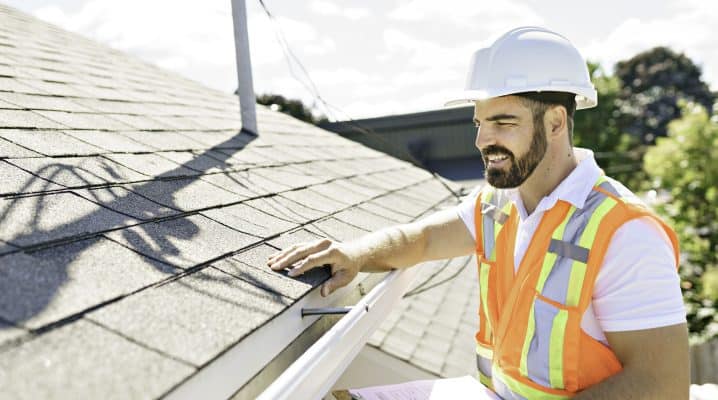
The inspection process may feel overwhelming, but it’s straightforward when broken down. After booking a licensed inspector, the inspection usually takes a few hours. During this time, the inspector examines key aspects of the home, including the foundation, roof, walls, plumbing, and electrical systems. Many inspectors allow buyers to attend. This can be especially valuable for first-home buyers, helping them learn more about what to look for in a property.
After completing the inspection, the inspector provides a detailed report highlighting any issues. For buyers, this report is a powerful tool. It shows the true state of the property and helps guide decisions on repairs or price adjustments.
Armed with the inspection report, buyers can then consult with their real estate agent to negotiate with the seller. Many sellers agree to repair serious issues or reduce the price based on the findings. This helps first-home buyers feel more confident in their purchase, knowing they’ve received fair value and a safe property.
Common Issues Uncovered During Building Inspections
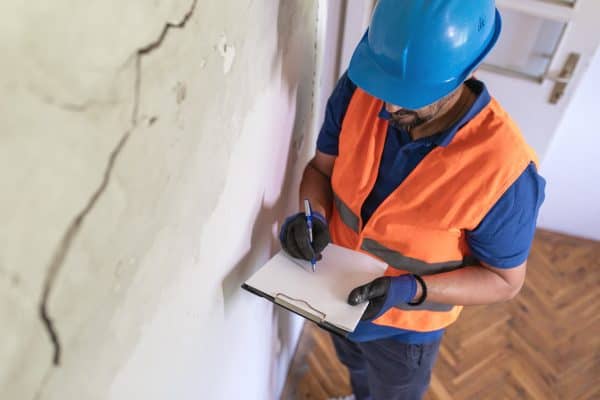
It’s not uncommon for first-home buyers to be surprised by what inspections reveal. Building inspections often uncover issues that could affect both the property’s safety and its future value. Structural defects, such as foundation cracks or shifting walls, can impact a home’s stability and require immediate attention. Other issues like water damage, mould, or pest infestations may also surface. These issues are typically invisible during a regular walkthrough and could result in costly repairs if unnoticed.
Building inspections frequently reveal outdated electrical wiring or plumbing problems. Faulty wiring can pose a safety hazard, while poor plumbing can lead to water damage and costly repairs. For buyers, these findings provide important insights into the home’s needs, so they’re prepared for what lies ahead.
Issues like poor ventilation can also emerge during inspections, as it’s a common problem in older properties. A lack of ventilation can cause dampness, mould, and low air quality, affecting indoor comfort. First-home buyers may not notice these issues at first, but inspections reveal these hidden factors, providing clarity about the property’s condition.

How Building Inspections Protect Long-Term Value
Building inspections go beyond immediate issues; they help protect the long-term value of the property. First-home buyers often work within tighter budgets, so it’s essential that the home grows in value over time. A building inspection ensures they are buying a solid home that will not quickly depreciate due to unforeseen problems.
Additionally, buying a property with unaddressed issues can leave buyers liable for repairs down the road. Inspections help first-home buyers avoid legal liabilities by identifying potential risks before the sale is finalised. Homes in good condition retain value, making them easier to sell in the future. Inspections also ensure buyers are investing in a property with solid resale potential, supporting future financial goals.
Lastly, building inspections provide first-home buyers with peace of mind. Purchasing a home without knowing its true condition can cause stress and lead to buyer’s remorse. By investing in a building inspection, buyers can rest assured they’re making a safe, well-informed decision.
How Much Do Building Inspections Cost?
Building inspections typically range between $300 and $700 in Australia, depending on the property’s size and location. While this may seem like an extra expense, it’s a small price to pay compared to the potential costs of undetected issues. For first-home buyers, spending a few hundred dollars on a building inspection can save thousands in repair costs later. This small, up-front investment delivers vital insights, ensuring buyers aren’t caught off guard after closing.

Tips for First-Home Buyers on Making the Most of Building Inspections
Building inspections are essential, but here are a few tips to get the most out of them. First, consider attending the inspection if possible. Being present allows first-home buyers to ask questions and learn more about the property. Inspectors are usually happy to explain issues and discuss their findings.
Another useful tip is to request photos in the inspection report. Images help buyers visualise issues, making it easier to plan for repairs. It’s also wise to focus on major issues in the report. First-home buyers don’t need to worry about minor cosmetic flaws, like small cracks or peeling paint. Instead, prioritise larger issues that impact safety or structural integrity.
Finally, after the inspection, first-home buyers should discuss any concerns with their real estate agent and follow up with the seller as needed. This approach ensures that no serious issues are left unresolved.
Building Inspections Are a Wise Investment for First-Home Buyers
Building inspections play a crucial role in the home-buying journey. Offering protection from hidden damages, giving buyers negotiating power, and helping them make sound financial decisions. For first-home buyers, they are a necessary safeguard, especially when working within a budget. With a professional inspection, buyers gain a clear understanding of the property’s condition, potential repair costs, and long-term value.
Protecting your investment begins with a thorough inspection, giving you the peace of mind and assurance needed to embark on this exciting new chapter. So, as you take this important step, prioritise building inspections. They’re an investment in the safety, value, and longevity of your new home.

Ready To Begin Your Property Journey
If you’re in the market for a new home loan or to refinance an existing loan, contact Reduce Home Loans. They have a team of experienced mortgage brokers who can help you navigate the market, find the best loan product for your needs, and potentially save you thousands of dollars over the life of your loan. With a commitment to providing customers with some of the lowest interest rates in Australia and a range of loan products and features, Reduce Home Loans is the perfect partner for your home-buying journey.
Any statements are general in nature and do not take into account your financial personal situation, objectives or needs. You should consider whether any statement/s is suitable for you and your personal circumstances. Before making any financial decision, consider your circumstances and the product disclosure statement.